
A place where learners speak. Ideas travel. Learning becomes inclusive.
Includiatrust brings together student voices and creative work, teacher experiences, thoughtful publishing and the ideas of great thinkers. We are building a space where learners are not only readers of knowledge, but also creators, questioners and contributors.
The Includiatrust ecosystem
One idea can move through the whole community.
A learner can create in the Creative Corner, grow through feedback, appear in a Magazine, connect with a Great Thinker, and inspire a new classroom conversation.
Student writing, art, questions, research and reflection.
Enter → 02 · CURATEMagazinesIdeas gathered into themed collections with a longer life.
Read → 03 · THINKGreat ThinkersUse important ideas to question the present, not just remember the past.
Explore → 04 · PRACTISETeacher & School SupportTurn inclusive ideas into classroom and school-level practice.
See services → 05 · CONNECTCollaborate with usBring a question, classroom story, partnership idea or contribution.
Contact →Create → receive feedback → publish → connect ideas with thinkers → bring the learning back into classroom practice → build the next collaboration.
Why Includiatrust?
Because learning should not mean silence.
Students are constantly observing, questioning, imagining and making sense of the world. Yet their ideas can remain inside notebooks, classrooms and conversations. Includiatrust is being built so those voices can move further: into writing and creative work, reflection and discussion, and finally into thoughtful publication.
“A child should not have to become an adult before their ideas are taken seriously.”The principle behind Includiatrust
The context we are entering
India has a huge education system. We are focusing on the learner inside it.
Includiatrust is not claiming to solve India’s entire education system. Our narrower question is what happens when children are given a safe, structured place to create, question, teach, receive feedback and have their work taken seriously.
UDISE+ 2023–24 reported 248,045,828 school enrolments across India.
Ministry of Education · UDISE+ 2023–24ASER 2024 reported that 47.5% of all rural Std V children could read a Std II-level text.
ASER 2024 · ReadingNEP 2020 emphasizes inquiry, discussion, discovery, experiential learning and creative collaboration.
Government of India · NEP 2020Explore the platform
Four ways into the conversation.
Each route connects to the same purpose from a different angle. Choose the one that matches how you want to participate.
Creative Corner
Student articles, poems, stories, artwork, questions, reflections, research and creative expression.
Enter the corner → 02 · PUBLISHMagazines
Curated issues bringing together educational ideas, student voices, reflections, research and creative work.
Read the magazines → 03 · THINKGreat Thinkers
Ideas from influential thinkers connected with questions of education, justice, society and everyday life.
Meet the thinkers → 04 · SUPPORTServices
Workshops, educational support and resources for schools and communities building more inclusive learning cultures.
See services →Mission & objectives
Build a place where learners can create, contribute and grow.
The platform should reward the process of learning, not only the final product.
Create
A learner writes, draws, researches, asks or builds.
Review
A teacher checks suitability, safety and readiness.
Feedback
The learner receives useful, age-appropriate feedback.
Revise
The learner can improve the work rather than treating submission as the end.
Publish
Approved work can enter a portfolio, magazine or themed collection.
Reflect
The learner records what changed, what was learned and what comes next.
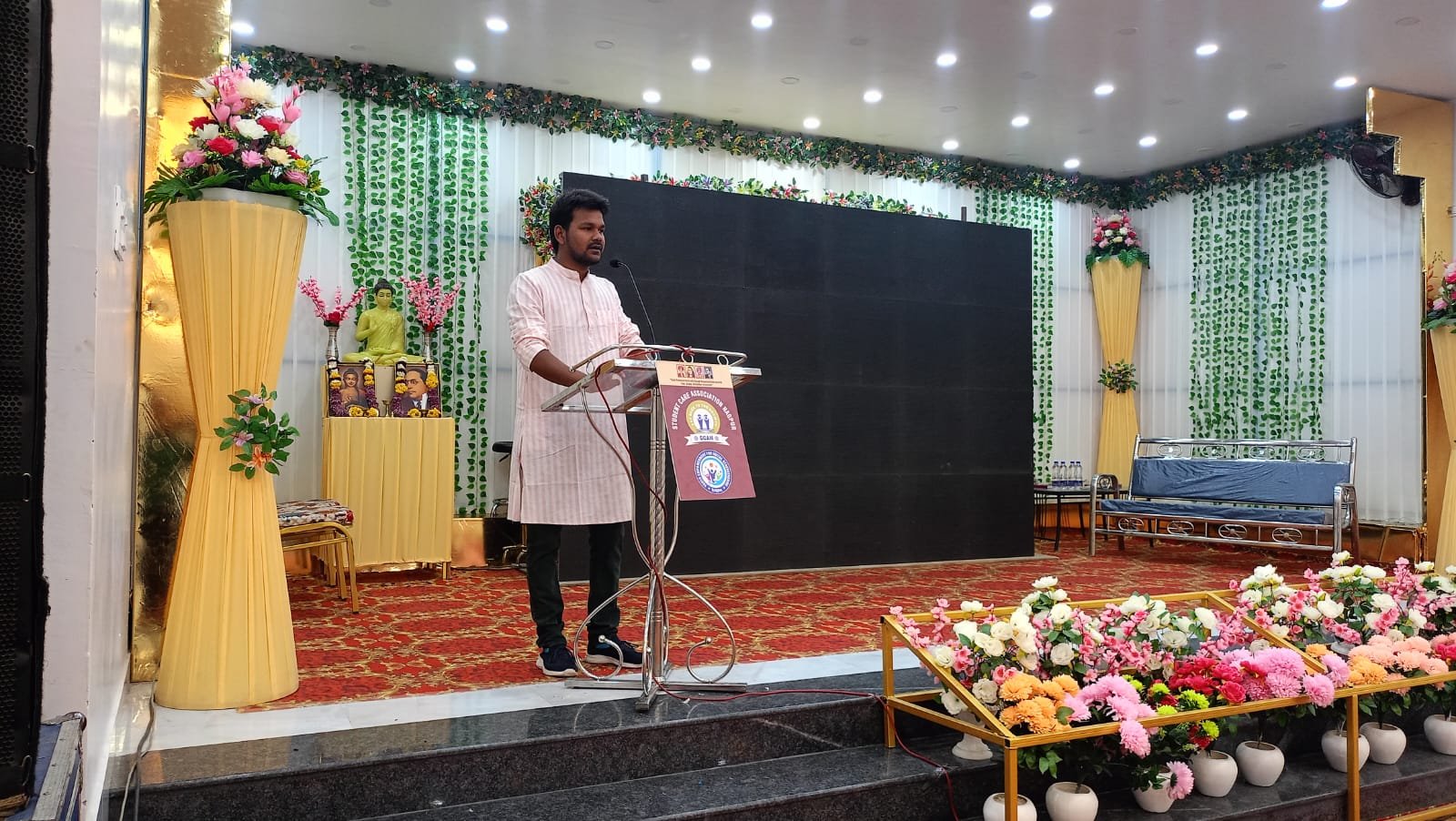
The person behind the page
Priyaranjan Kumar
Founder, IncludiatrustPriyaranjan has taught across Bihar, Jharkhand, Maharashtra, Karnataka, Uttarakhand, Madhya Pradesh, Chhattisgarh and Meghalaya, and is now teaching in Andhra Pradesh. Includiatrust grew out of that classroom-to-classroom journey: a shared home for student voices, guest teachers and ideas about inclusion.
Connect on LinkedIn →Learning together
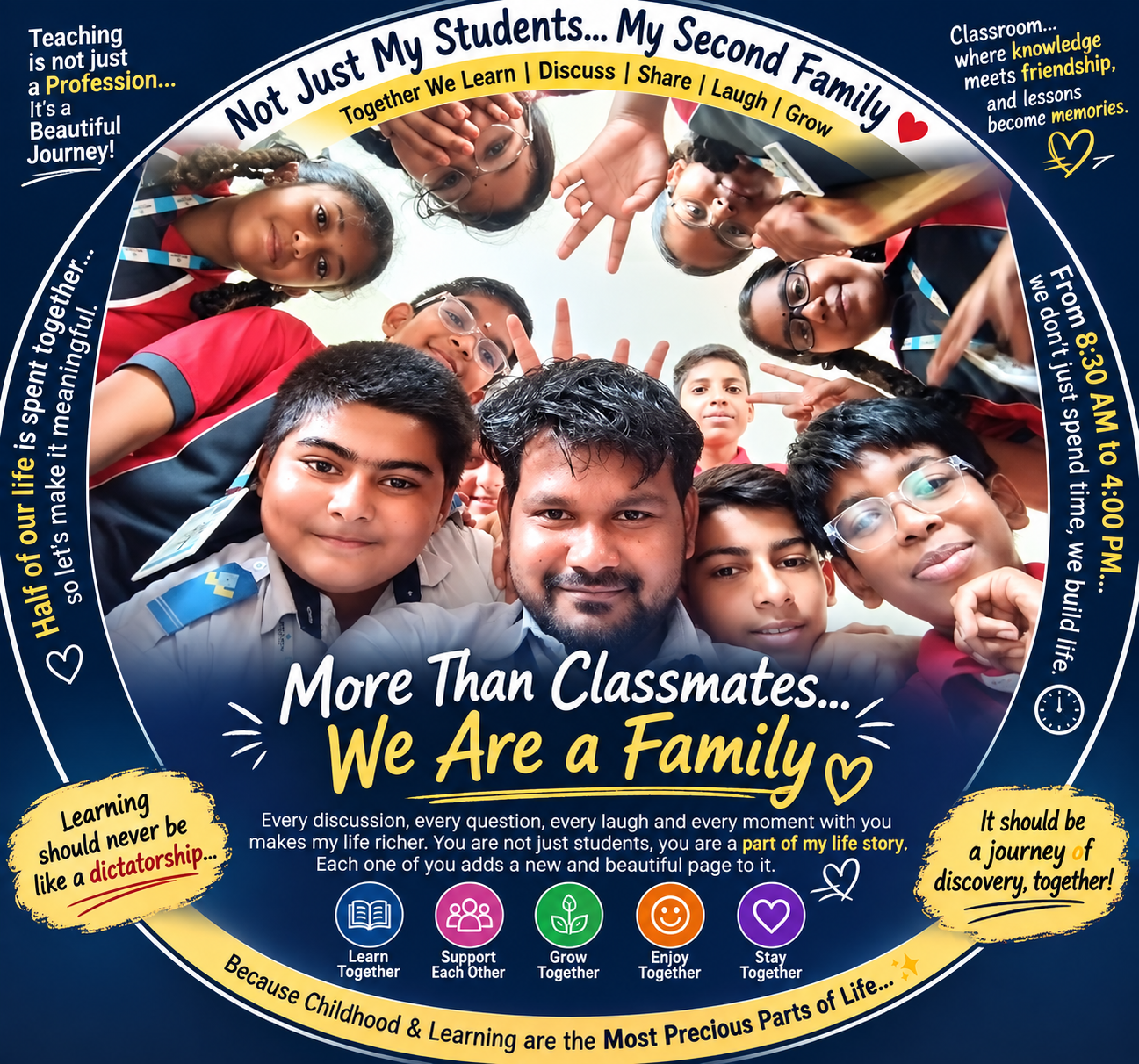
More than a classroom.
We spend a large part of our lives together at school. From classroom discussions to laughter between lessons, these moments slowly become part of our lives.
Learning should not feel authoritarian. A classroom should be a place where curiosity is welcomed, ideas are shared, mistakes are understood and everyone feels that they belong.
Through the lens
Stories that shape us.
Moments from classrooms and communities where learning, agency and inclusion become visible.
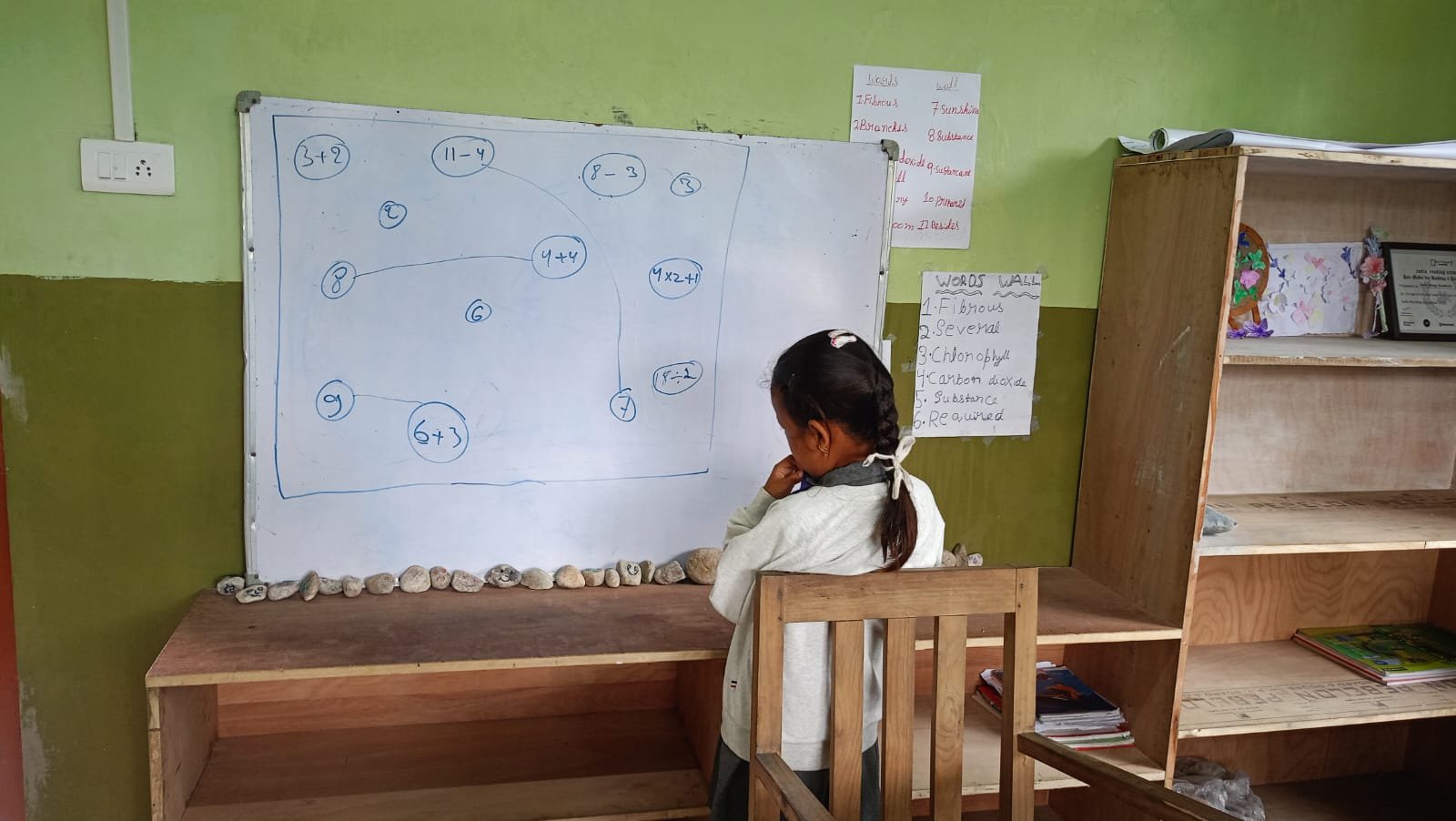
Solving It Herself
A learner works through a problem without being handed the answer and discovers what she can do.
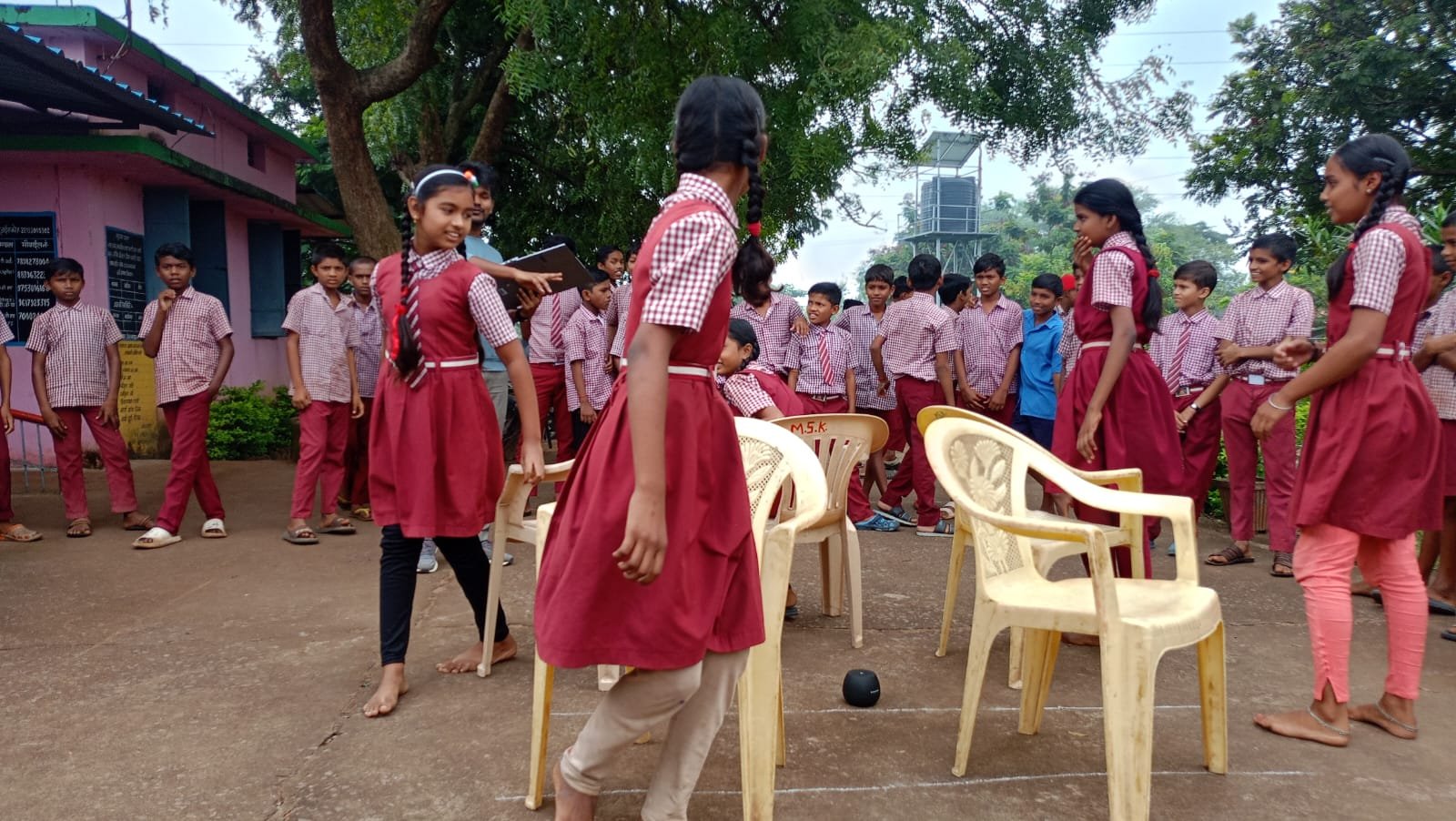
Play · Learn · Belong
Learning can be serious without becoming joyless.
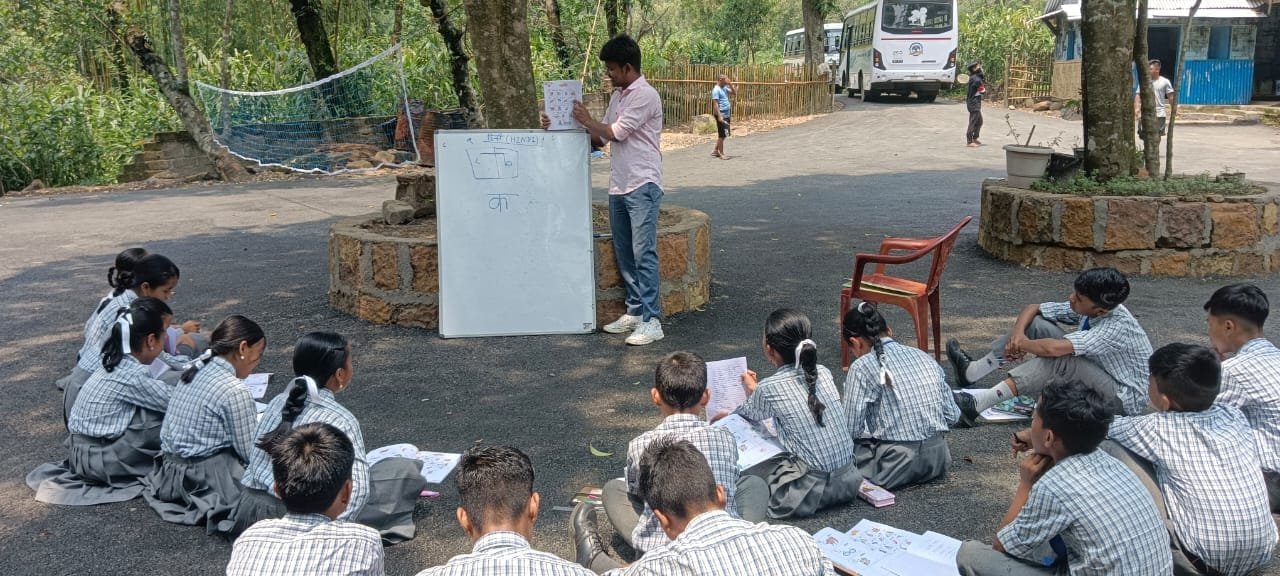
Lessons Under the Trees
Classrooms are defined by learning, not only by walls.
Across the map
Classrooms we’ve taught in.
From Bihar to Andhra Pradesh, these are the states where the work behind Includiatrust has actually stood in front of a class.
Fresh from the desk
Latest ideas & insights.
New writing filed by voice and purpose, not only by date.
Understanding the Core Values of Includiatrust
What it means to build a platform around inclusion, awareness and justice, and why those values need to be lived.
CommitmentExploring Includiatrust: A Commitment to Core Values
A closer look at the principles behind the platform and how they translate into educational practice.
Student VoicesWhat Inclusion Actually Feels Like in a Classroom
A student-centered reflection on the small moments that make a classroom feel as if it belongs to everyone.
Great ThinkersSavitribai Phule and the Fight for Girls’ Education
An introduction to a pioneering educator whose work still matters to conversations about access and equality.
Guest TeacherDesigning Lessons for the Student Who Won’t Ask for Help
How quiet checkpoints and low-pressure participation can help teachers notice students who rarely raise a hand.
MagazineBelonging, Reframed
A collection of essays, art and classroom ideas that examine belonging beyond the diversity checklist.
Ideas worth carrying forward
Great Indian thinkers, in brief.
Short entry points into ideas that can deepen conversations about education, dignity, equality and social life.
Dr. B. R. Ambedkar
Education can be understood as a route to dignity, participation and social transformation, not merely individual advancement.
Justice · education · equalityRabindranath Tagore
Learning should connect intellectual growth with nature, creativity, culture and a wider sense of human life.
Freedom · creativity · holistic learningSavitribai Phule
Her work reminds us that access to education is inseparable from struggles against caste and gender exclusion.
Access · equality · social reformSwami Vivekananda
Education can be viewed as a process of developing strength, character and the capacities already present within a learner.
Character · confidence · self-developmentLearning by becoming a teacher
Sometimes the best way to understand a classroom is to stand at the front of it.
Peer learning moves a learner beyond receiving knowledge. Explaining an idea requires attention, communication, adaptation and empathy.
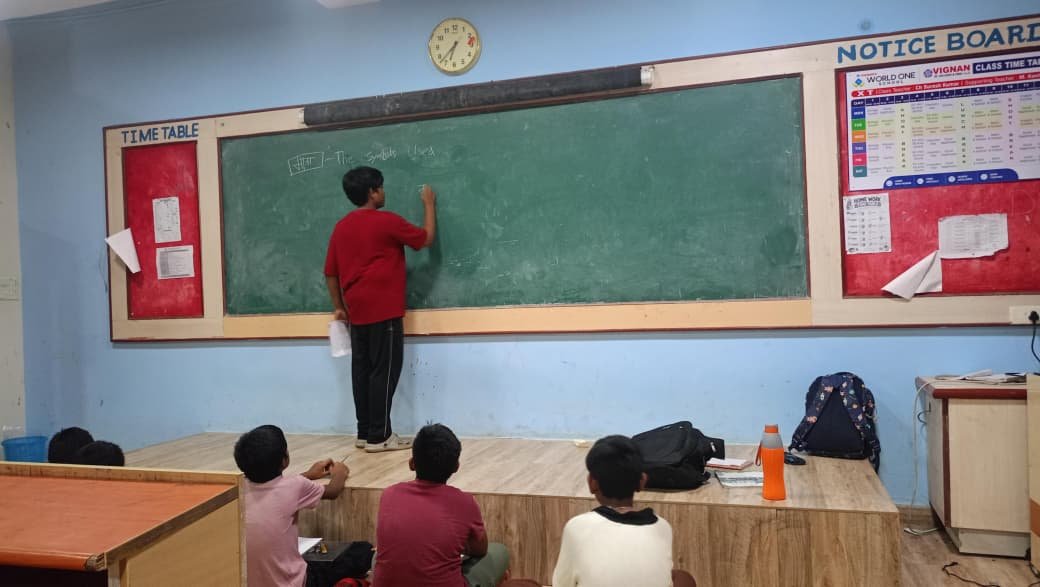
The learner begins to see what the teacher sees.
When a student teaches a concept to peers, the classroom becomes a space where the learner has to explain, listen, respond, observe and adapt.
Because our community includes children
Safety is part of the design, not an afterthought.
A learner-centered public platform should grow only with safeguards appropriate to the age of its participants.
Adult approval
Student work should pass through teacher or authorized-adult review before public publication.
Minimal personal data
Do not publish unnecessary addresses, phone numbers, private contact details or other sensitive identifiers.
Clear consent
Define how student work, names and images may be displayed, with an appropriate consent process.
Moderated interaction
Comments, peer review and collaboration should be structured and supervised rather than open-ended.
How we will know whether it works
Measure the work without inventing the impact.
Reach is easy to count. Learning is harder. Includiatrust should separate activity metrics from evidence of change.
Activity we can count
Change we should test
A realistic way to scale
Grow the community before growing the technology.
Prove the learning loop
Start with real student work: create → feedback → revise → publish → reflect.
Invite trusted teachers
Test moderation, consent, peer learning and inter-school projects with a small group of schools.
Build the national layer
Expand technology, editorial networks and partnerships only after the learning model works.
Bring your classroom into the conversation
Includiatrust grows through real voices, not anonymous scale.
If you are a learner with work to share, start with the Creative Corner. If you are an educator or school looking for ideas in action, explore our Services. If you want to contribute, collaborate or propose a partnership, use the Contact page.
The next chapter
A small classroom idea can become a larger learning community.
Begin with real student work, real teachers and careful curation. Grow only when the learning experience grows with it.